
Brucellosis is an infectious disease caused by bacteria Brucella. Many different animal species and humans can become ill. Brucellosis is primarily a reproductive disease in animals, but it can also cause reoccurring fevers, arthritis or udder infection (mastitis). Brucellosis can affect sheep, goats, cattle, pigs, horses, and dogs. Brucellosis can also affect rats and wild animals including deer, bison, elk, moose, camels, water buffalo, and marine mammals.
Brucella Ovis
Brucella ovis is an economically important cause of epididymitis, orchitis and impaired fertility in rams.
B. ovis can also cause abortions and placentitis in ewes, but this appears to be uncommon. Infected ewes may give birth to weak lambs that die soon after birth.
B. ovis is often transmitted from ram to ram by passive venereal transmission via ewes. Ewes can carry this organism in the vagina for at least two months and act as mechanical vectors.
B. ovis infections should be considered when rams develop epididymitis and testicular atrophy, or poor semen quality is seen. Some but not all rams have palpable lesions.
Unlike other brucellosis species, B. ovis is not zoonotic but is reportable in North Dakota.
Many states, including North Dakota, require rams to test negative to B. ovis prior to importation. In lieu of testing, states may recognize B. ovis Free Flock Certification. To become a certified flock, all mature rams must test negative twice initially, and then annually thereafter. When submitting samples to the laboratory, veterinarians should indicate “for flock certification” on the submission form. The Animal Health Division will issue a B. ovis Free Flock card to the producer within 10 days of receiving the test chart, provided the results indicate it is for Free Flock status. If a producer has not received their card within two weeks of testing, they should contact the office.
Flocks may be tested to obtain Brucella ovis negative flock status. To qualify a flock as a negative Brucella ovis status flock, two negative tests for Brucella ovis must have been administered, forty-five to sixty days apart, during the same year, to all rams one year of age or older, and thereafter a yearly negative test must have been administered to all rams in the flock one year of age or older. If there are no rams >12 months of age in the flock, all rams to be used for breeding in the flock must be tested, regardless of age.
Brucella Abortus
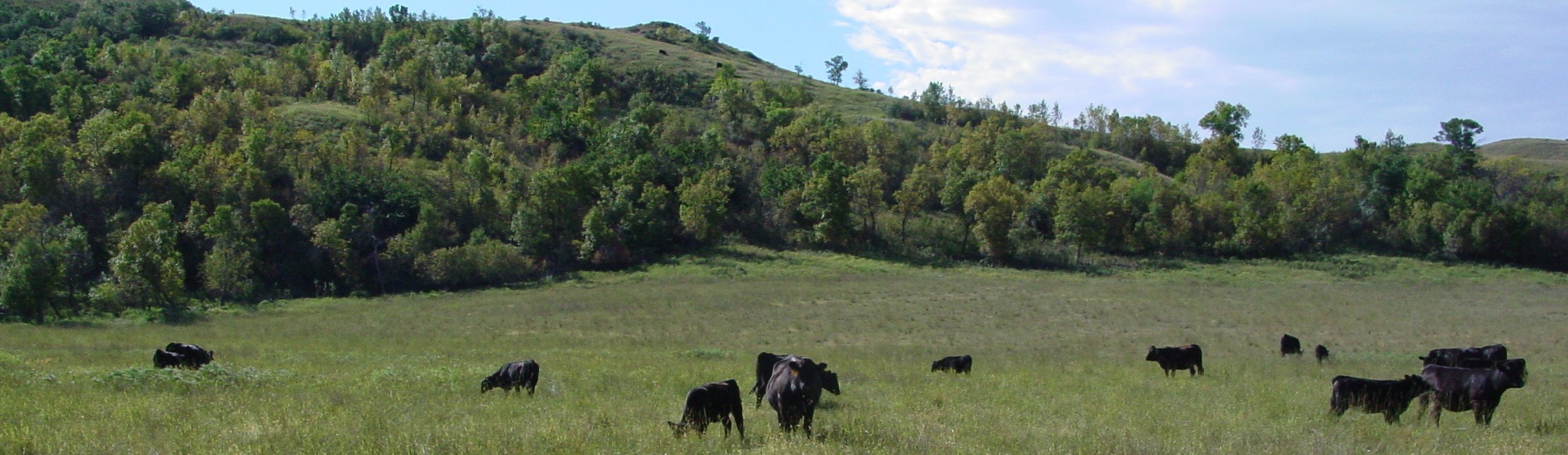
Bovine brucellosis, caused by the bacterium Brucella abortus, is an economically important cause of abortions in cattle. B. abortus also affects other species including bison and elk; some species are maintenance hosts for this organism. Infections in wildlife can hinder eradication efforts in cattle. In addition, B. abortus is a human pathogen. In humans, brucellosis can be a serious, debilitating and sometimes chronic disease that may affect a variety of organs. Most cases are the result of occupational exposure to infected animals, but infections can also occur from ingesting contaminated dairy products.
Most species of Brucella are primarily associated with certain hosts; however, infections can also occur in other species, particularly when they are kept in close contact. Maintenance hosts for Brucella abortus include cattle, bison (Bison spp.) water buffalo (Bubalus bubalus), African buffalo (Syncerus caffer), elk and camels. A feral pig population has recently been reported to maintain B. abortus. A variety of other species can become "spill-over" hosts where this organism is enzootic. B. abortus has been reported in horses, sheep, Rocky Mountain bighorn sheep, goats, chamois, pigs, raccoons, opossums, dogs, coyotes, foxes, wolves and other species.
The United States cattle herd is now free of brucellosis. Brucellosis is still present in wildlife in the Greater Yellowstone Area.
Brucellosis caused by B. abortus is a reportable disease in the U.S. All cases should be reported immediately to the state veterinarian's office.
Brucella Canis
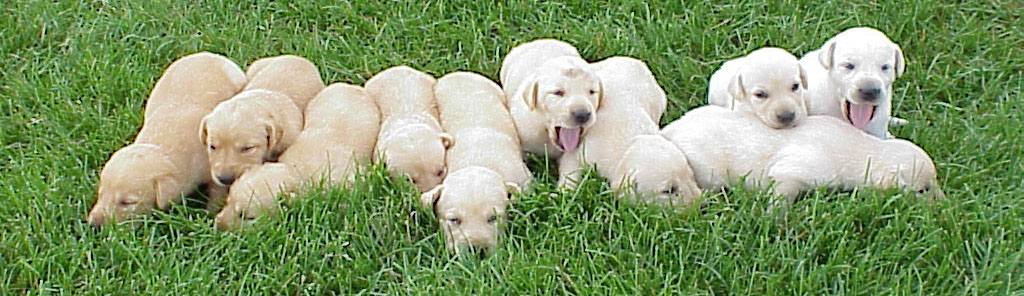
Canine brucellosis is an infectious disease caused by the Brucella bacteria. The illness in dogs is caused by Brucella canis (B. canis). However, Brucella organisms commonly associated with other animal species, such as Brucella suis (pigs) and Brucella abortus (cattle and bison), can infect dogs depending upon their exposures to these species.
Canine brucellosis is an important cause of reproductive failure, particularly in kennels. B. canis is also a zoonotic disease, so it can affect humans. This organism causes abortions, stillbirths, epididymitis, orchitis and sperm abnormalities in dogs. Although dogs that have been spayed or neutered do not have reproductive signs, they occasionally develop other conditions such as ocular disease and discospondylitis. B. canis can persist in an animal even after antibiotic treatment.
Brucellosis Contacts
North Dakota State Board of Animal Health
State Board of Animal Health
600 E Boulevard Ave.
Dept.602
Bismarck, ND 58505-0020
701-328-2655
Fax: 701-328-4567