
Elsabe Hausauer
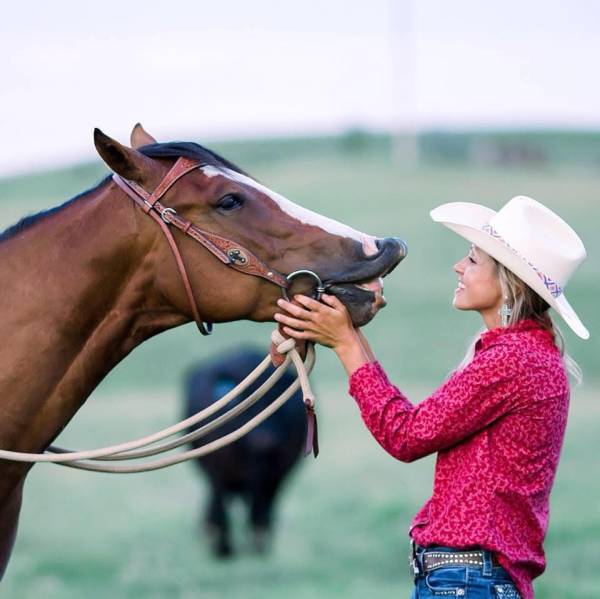 Elsabe's Primary Agricultural Focus
Livestock and horse trainer
In Her Words: Elsabe's Story
I grew up in South Africa, where my love for animals and agriculture started at a young age. That passion led me to Newmarket, England, where I worked for racehorse trainer Ernst Oertel, starting and conditioning Thoroughbred and Arabian racehorses. During that time, I earned a diploma in Stable Management from the British Racing School, building a strong foundation in equine care, training, and performance.
After moving to the United States, I built a life centered around agriculture, ranching, horses, and family. Today, as the owner of MBR Performance Horsemanship and Muddy Boot Ranch, you wear many hats....horse trainer, rancher, cattle producer, clinician, homeschooling mother, rodeo mom, breeder, and me mentor.
My ranch is more than a business it’s a classroom. Every day revolves around real ranch work:
* Managing cattle and cow-calf pairs
* Gathering, sorting, and branding cattle
* Developing practical ranch horses
* Raising and breeding quality Quarter Horses
* Teaching youth and adults the value of stewardship, responsibility, and work ethic
Horse Training Accomplishments
Over the years, I have started and developed countless colts and performance horses. My reputation has been built on creating horses that are:
* Mentally connected
* Soft and responsive
* Confident outside the arena
* Functional on the ranch
* Competitive in performance events
My training philosophy is simple:
“As soft as possible, as firm as necessary.”
Perhaps the most important part of my story is my faith.
I have walked through hardship, disappointment, uncertainty, and restoration. Through it all, I have remained committed to serving God, raising my family, and using horses as a way to teach life lessons.
My legacy is not simply the horses I have trained for my kids, the cattle I have raised, or the buckles won.
My legacy is the hopefully the people I influenced, the children i mentored, the faith I have shared, and the example i set of showing up every day, doing the work, and trusting God with the outcome.
From South Africa to England to North Dakota ranch country, my story is proof that hard work, horsemanship, and faith can build something far bigger than a horse business they can build a life that impacts generations.
What does working in agriculture, and specifically being a woman in agriculture, mean to you?
For me, agriculture isn’t just an occupation it’s a way of life. It’s early mornings, late nights, dirty boots, calloused hands, and showing up whether you feel like it or not. It’s caring for livestock in blizzards, checking mares in the middle of the night, fixing what breaks, and trusting God when things are out of your control.
Being a woman in agriculture means proving every day that strength doesn’t always look loud. Sometimes it looks like raising children, feeding calves, doctoring a sick horse, teaching a lesson, and still finding the energy to do it all again tomorrow.
It means understanding that toughness and kindness can exist in the same person. I can be firm when a horse needs direction, compassionate when an animal needs care, and nurturing when a child needs guidance. Those things aren’t weaknesses they’re strengths.
Agriculture has taught me resilience. The weather doesn’t care about your plans. Cattle don’t care if you’re tired. Horses don’t care what kind of day you’ve had. Every day requires adaptability, grit, problem-solving, and faith.
As a woman in this industry, I don’t feel the need to compete with men. I simply want a seat at the table based on my work ethic, knowledge, integrity, and results. Agriculture has room for strong men and strong women, and both bring something valuable to the ranch, the farm, and the next generation.
Because agriculture isn’t just what I do it’s who I am. And being a woman in agriculture means having the privilege of helping feed people, raise families, care for animals, and leave the land and livestock better than I found them. That’s a legacy worth building.
What advice would you give to the next generation of women in agriculture?
Don’t let anyone convince you that you have to choose between being strong and being feminine. You can be both. You can run equipment, doctor calves, start colts, manage a business, raise a family, and still be exactly who God created you to be.
Learn everything you can. Ask questions. Find mentors. Stay curious. The women who succeed in agriculture are not the ones who know everything they’re the ones who never stop learning.
Don’t expect respect because you’re a woman, and don’t assume you won’t get respect because you’re a woman. Earn it the same way anyone else does: through hard work, integrity, consistency, and competence. Show up. Do what you say you’re going to do. Let your actions speak louder than your words.
Take care of your reputation. In agriculture, your name matters. People may forget what horse you rode or what buckle you won, but they will remember your character, your honesty, and how you treated people.
Don’t be afraid to fail. Every good horseman has made mistakes. Every successful rancher has lost cattle. Every farmer has had a crop fail. Every entrepreneur has had setbacks. Failure isn’t the end it’s often where the best lessons begin.
Support other women. Agriculture is hard enough without tearing each other down. Celebrate each other’s successes. Share knowledge. Open gates for the women coming behind you.
Remember that your value isn’t found in championships, followers, income, or other people’s opinions. Your worth comes from who you are and whose you are.
And finally, don’t lose sight of why you started.When the days are long, the weather is against you, the market is down, the horse isn’t cooperating, or life feels overwhelming, remember that agriculture is one of the few industries where you get to witness God’s creation every single day. You get to help bring life into the world, care for animals, steward the land, and feed families.
That’s a privilege.
Work hard. Stay humble. Keep your faith bigger than your fear. And leave the ranch, the industry, and the people around you better than you found them.
The future of agriculture is in good hands if women like you are willing to answer the call.
Have you had formal or informal training to help you grow your operation? If so, what?
I don’t have a formal degree in ranch management. My education came through horses, livestock, mentors, ranch work, and years of hands-on experience. I learned by doing, starting colts, raising cattle, running a business, breeding horses, teaching clinics, and solving the challenges that come with agriculture every day. My classroom has been the ranch.
Follow Elsabe on Facebook at MBR Performance Horsemanship LLC.
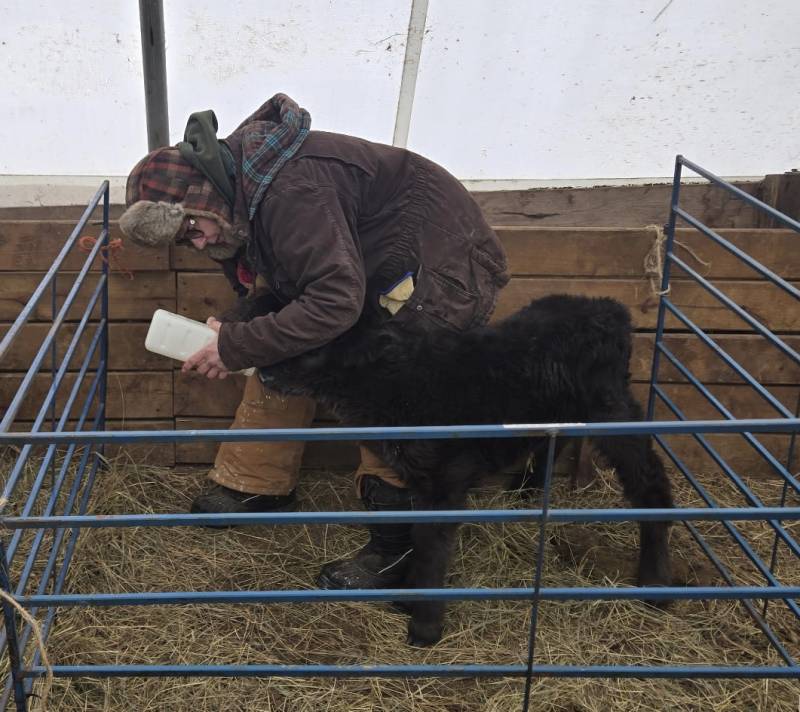 Cheryl's Primary Agricultural Focus
Livestock and homemade dog treats
In Her Words: Cheryl's Story
A love of animals has always been in my blood. I participated in Vo Ag classes in high school. I was in 4-H and horse club. Moving back to the country was my dream and I’ve been living it for 30 years now. I started with horses, then came she sheep, the Scottish highland cows, chickens, and last but not least alpacas. Working with animals is amazing to me. I have pulled lambs and calves. When you get to know an animal you can see and feel how that animal feels when their baby doesn’t make it or how utterly in love they are when their baby is alive and nursing. I started the dog treat business over 20 years ago as a way to supplement my critter addiction. I also raise the sheep to sell and the alpaca give me fleece that I have made into yarn. With the yarn I knit and crochet products to sell. I couldn’t do any of this without the support of my husband. I have cameras in my barn so I can check on sheep during lambing. It’s an amazing way to live!
What does working in agriculture, and specifically being a woman in agriculture, mean to you?
Many of my friends find it amazing that I would do things like feeding animals, pulling babies out of moms, having sick babies brought into the house where they can get the care that they need. That means my house can sometimes smell like a barn and there is tons of laundry to do … but the end result is always worth it.
What advice would you give to the next generation of women in agriculture?
The next generation of woman need to get in there, get their hands and clothes dirty and love every minute. It is the most amazing feeling in the world. And hands and clothes can always be washed. But the feeling of accomplishment will be something no one can take away from you.
Have you had formal or informal training to help you grow your operation? If so, what?
The only training I’ve had was my time in Vo Ag classes, 4-H, horse club, and 5 years I worked as a vets assistant. I do a lot of reading and do a lot of research on my own.
What technologies have made the biggest difference on your operation?
Cameras in the barn are the best investment I have made. The ability to check on animals in the barn any time and from any place is something I would highly recommend. It gives such assurance of how the animals are doing.
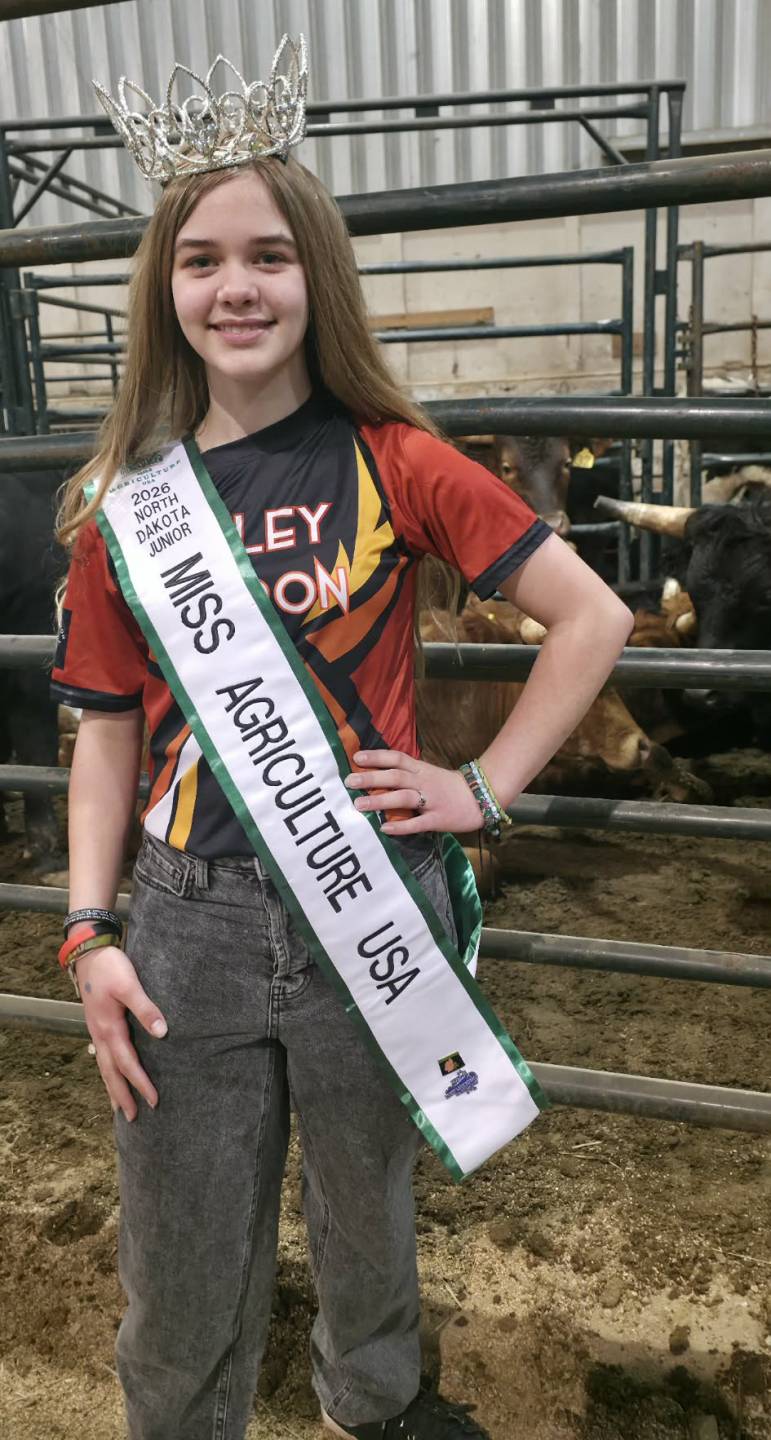 Kiana's Primary Agricultural Focus
Livestock and crops
In Her Words: Kiana's Story
My name is Kiana Serr, and I am 12 years old. I am representing North Dakota as 2026 Junior Miss Agriculture, USA. In 2025, I had the honor of representing North Dakota at Nationals in Ohio, where I placed 2nd runner-up for National Junior Miss Agriculture. That experience helped me grow in confidence, leadership, and my passion for agriculture.
Being able to accomplish the role of Junior Miss Agriculture has meant working hard to represent agriculture in a positive way, educating others, and being a role model for younger kids. Now in 2026, I am proud and grateful to once again represent North Dakota, and I will once again be attending Nationals in Ohio in June 2026. I’m excited to continue sharing my love for agriculture and inspiring others along the way.
What does working in agriculture, and specifically being a woman in agriculture, mean to you?
To me, being a woman in agriculture means working hard, believing in yourself, and showing others that you can do anything you set your mind to. It also means helping inspire other girls to get involved and not be afraid to try something new.
What advice would you give to the next generation of women in agriculture?
My advice to girls is to not be afraid to get involved in agriculture. It’s about caring for animals, growing food, and helping others. You’ll learn hard work, responsibility, and patience. Even small efforts make a difference—so believe in yourself and give it a try!
Have you had formal or informal training to help you grow your operation? If so, what?
Formal and informal training have helped me grow a lot as a young woman in agriculture. Through 4-H and competitions, I’ve learned leadership and responsibility. By helping on the farm and learning from others, I’ve gained hands-on skills and confidence.
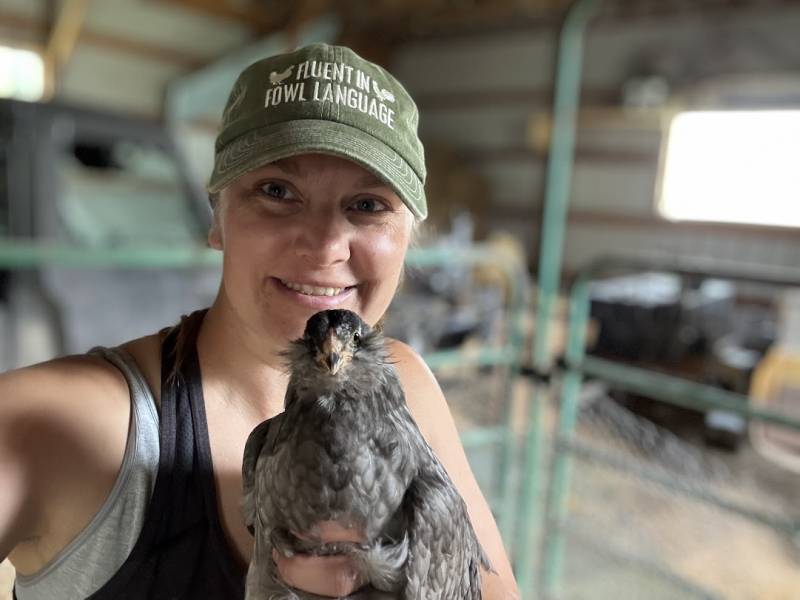 Esther's Primary Agricultural Focus
Livestock, poultry, crops
In Her Words: Esther's Story
I grew up on a small farm outside of Tolna, North Dakota, where my parents raised sheep, and my siblings and I helped care for horses, goats, and, at one point, a large number of meat rabbits. My Dad built grain bins and does millwork, and I worked with him throughout high school. Agriculture has always been a part of my life, and those early experiences helped shape the values I carry with me today.
After high school, I attended Le Cordon Bleu and earned my degree in Culinary Arts. While I was in college, I was dating a local farm boy from back home. After graduation, I moved back home, married that local farm boy, and together we built our life in agriculture. Today, we farm small grains and raise beef cattle not far from where I grew up. My husband is a fourth-generation farmer, and together we are raising the fifth generation on our farm. Our daughter hopes to become a veterinarian and help care for the animals on the farm in the future.
I truly love farm life and helping wherever I am needed. In addition to our grain and cattle operation, my children and I care for some dairy goats, and I milk them and make cheese for our family. We also have a large flock of chickens, sell eggs locally, and grow a big garden every year. Raising animals and growing food have given our children a firsthand understanding of responsibility, hard work, and where food really comes from.
Outside of the farm, I teach Culinary Arts to high school students, which gives me another opportunity to share my passion for agriculture. I love teaching students about the importance of knowing where their food is grown, how it is raised, marketed, and processed, and helping them understand the journey from farm to table.
I also share my passion for agriculture, homesteading, and rural life through my blog, The Phat Hen, where I write about raising animals, growing food, and the everyday realities of living close to the land. In addition, I operate a food truck that allows me to serve rural communities, support local businesses, and connect my culinary background with the agricultural way of life I value so deeply.
What does working in agriculture, and specifically being a woman in agriculture, mean to you?
Working in agriculture means being part of something bigger than yourself. To me, it means helping my family build something that will last for future generations. Agriculture is not just a job or an industry. It is a way of life centered around hard work, sacrifice, faith, and stewardship. It means caring for the land, raising animals with purpose, and producing food that helps feed others.
Being a woman in agriculture means wearing many hats and taking pride in all of them. It means helping support my family, teaching my children the value of hard work, and showing them that women play an important role in keeping farms, families, and rural communities strong. As a woman in agriculture, I have the opportunity to care for animals, grow food, help on the farm, teach others where food comes from, and share that knowledge both in my classroom and in everyday life.
It also means preserving traditions while helping shape the future. I am proud to be raising the next generation with an appreciation for agriculture, responsibility, and rural life. Being a woman in agriculture means being strong, resourceful, and willing to do whatever needs to be done, all while helping build a life and legacy for those who come after us.
What advice would you give to the next generation of women in agriculture?
The advice I would give to the next generation of women in agriculture is to always believe in yourself. Women are more capable and powerful than we sometimes give ourselves credit for, and we can accomplish many great things if we are willing to step forward and try. Do not be afraid to work hard, speak up, learn new skills, or take on roles that may seem challenging.
Agriculture needs strong women who are willing to lead, serve, and help build the future. There will be times when the work is hard, and the responsibilities feel heavy, but those moments also build strength, confidence, and resilience. Trust that your contributions matter, because they do.
I would also encourage young women to take pride in where they come from, keep learning, and never underestimate the value they bring to the farm, their family, and their community. Your voice, your work, and your vision are important, and agriculture is stronger because of women who are willing to be part of it.
Have you had formal or informal training to help you grow your operation? If so, what?
I have not had formal training through agricultural-based programs, but I have gained valuable knowledge through hands-on experience, farm life, and the work my family does every day. Much of what I have learned has come informally through living this lifestyle, helping on the farm, raising animals, gardening, and continuing to learn through experience.
My formal training is in Culinary Arts and education, and both have played an important role in how I view agriculture. My culinary background has helped me better understand food from production to preparation, while teaching has allowed me to connect agriculture, food, and education in a meaningful way. Together, those experiences have helped me appreciate not only where food comes from but also the importance of teaching others about the journey from farm to table.
What technologies have made the biggest difference on your operation?
Technology in farming is always evolving, and it can be hard to keep up at times. On our operation, GPS and mapping technology have made one of the biggest differences, especially during seeding and spraying. Those tools help improve accuracy, reduce overlap, save time, and make our work more efficient.
The internet has also made a big impact. It has opened the door to a huge amount of knowledge and allows farmers and ranchers to learn from others, explore new ideas, and see how different operations are run. Being able to access information, research equipment or practices, and connect with others in agriculture has been incredibly valuable.
Together, those technologies have helped make farming more efficient, more informed, and better connected than ever before.
Is there any additional information you would like to share?
I enjoy sharing my passion for agriculture, homesteading, and rural life through my blog, The Phat Hen (www.thephathen.com), where I write about raising animals, growing food, and the importance of understanding where our food comes from. I also operate a food truck (www.sweetprairie.net) that allows me to serve rural communities and support local businesses. Both of these outlets have given me meaningful ways to connect agriculture, food, and education with the people around me.
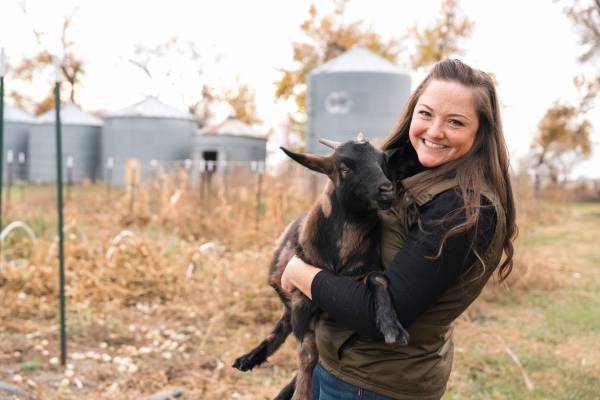 Becca's Primary Agricultural Focus
Livestock, Local Foods
In Her Words: Becca's Story
Becca Baumbach is a co-owner and rancher at The Pasture, a diversified farm in North Dakota focused on raising high-quality, responsibly produced food while building direct relationships with consumers.
At The Pasture, Becca helps lead a pasture-based operation that includes myotonic (fainting) goats, pasture-raised chickens and turkeys, and honey bees that produce wildflower honey from pollinator-friendly meadows. The farm is designed to work in harmony with nature, integrating livestock, wildflower habitat, and regenerative practices that support soil health, biodiversity, and long-term sustainability. The Pasture is recognized as a Certified Wildlife Habitat® by the National Wildlife Federation, reflecting its commitment to conservation alongside food production.
Becca is actively involved in daily ranch operations, including animal care, pasture management, and business strategy. She also plays a key role in direct-to-consumer sales and customer education, helping bridge the gap between how food is raised and how it is understood.
The Pasture partners with other locally owned small businesses to expand access to its products, including Hillsboro Cafe and Hayloft Mercantile in Hillsboro, ND, and Urban Stampede in Grand Forks, ND, supporting a more connected, community-based food system.
In addition to her work on the ranch, Becca serves as President & CEO of the Community Foundation of Grand Forks, East Grand Forks & Region, where she leads efforts that support rural vitality. She works alongside her husband, Wayne, and is a mother to two young daughters, Juniper (5) and Flora (3), who are growing up connected to the land and the work of farming.
What does working in agriculture, and specifically being a woman in agriculture, mean to you?
Working in this field means being deeply connected to something bigger than yourself - your land, your animals, your community, and the generations that come after you. It is both a responsibility and a privilege to produce food and steward resources in a way that will sustain the future.
Being a woman in this space today means helping redefine what leadership looks like. Women are not only contributing; we are leading operations, building businesses, driving innovation, and shaping the future of food systems.
It also means balancing many roles. For me, that includes being a rancher, a professional, a wife, and a mother. It’s important to me that my daughters see that this way of life is a place where women can lead, build, and belong.
What advice would you give to the next generation of women in agriculture?
Don’t wait until you feel fully ready. Start where you are and grow into it. Farming and ranching are learned through experience, and confidence comes from doing.
Seek out mentors, ask questions, and build relationships with others in the industry. This work is both independent and highly collaborative, and the connections you build will be invaluable.
Make it your own. There is no one “right” way to be involved in this work today, and some of the most meaningful impact comes from being willing to try something new. Whether it’s how you raise animals, care for the land, market your products, or connect with your community, don’t be afraid to think differently and build something that reflects your values.
Innovation doesn’t always mean big changes. It can be small, thoughtful shifts that improve your operation over time. Trust your instincts, stay curious, and be willing to adapt. The future of farming depends on new ideas, and there is space for you to help shape what it becomes.
Have you had formal or informal training to help you grow your operation? If so, what?
Much of my growth has come through hands-on experience and learning alongside others. Building The Pasture has required continual learning, whether in livestock management, land stewardship, or direct-to-consumer business development.
I am currently pursuing my Pollinator Steward Certification through Pollinator Partnership, which supports our work in developing and maintaining pollinator-friendly habitat on our farm.
My professional experience as a nonprofit executive has also provided valuable training in leadership, strategic planning, financial management, and community engagement. These skills have been instrumental in building and growing our business.
What technologies have made the biggest difference on your operation?
Technology has played an important role in allowing us to operate efficiently while maintaining a strong connection with our customers.
Direct-to-consumer sales platforms, online ordering systems, and digital communication tools have made it possible to reach customers more effectively, share our story, and build trust through transparency. Social media has also been a powerful tool for education and connection beyond the point of sale.
Is there any additional information you would like to share?
At The Pasture (www.thepasturend.com), our goal is to raise food in a way that reflects our values - caring for the land, prioritizing animal welfare, and building real relationships with the people who buy our products. From pasture-raised poultry and myotonic goats to honey produced from our wildflower meadows, everything we do is rooted in transparency, stewardship, and creating a farm that works in harmony with nature.
I would also highlight FARRMS (www.farrms.org - Foundation for Agricultural and Rural Resource Management and Sustainability) as an important resource for farmers and ranchers in North Dakota. FARRMS has been a valuable support system for our operation, offering trainings, technical assistance, and grant opportunities that are beneficial at any stage of growth. Their work helps strengthen local food systems and supports producers who are building innovative and sustainable operations.
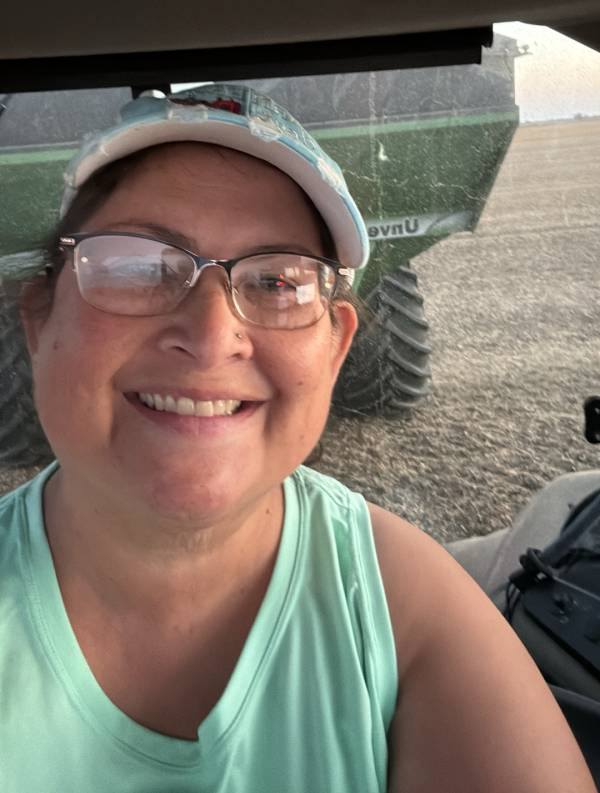 Vikki's Primary Agricultural Focus
Crops
In Her Words: Vikki's Story
I grew up at Colorado. Graduated at Colorado School for the deaf and blind. I moved to North Dakota and met my husband who is a deaf farmer. We both are deaf and do crops. Many would ask us how we managed farm equipment when we are deaf. They are surprised to learn that we can still run equipment, drive tractors, semi and more. So I decided to make a Facebook page to teach many, on how we as deaf farmers in real life.
What does working in agriculture, and specifically being a woman in agriculture, mean to you?
I wants to educate the world as a deaf farmer that there is no “can't do” in my dictionary. I love raising and feeding the world even if the market goes bad. It's feeding the world that's really important to me.
What advice would you give to the next generation of women in agriculture?
Any woman can be a farmer, it's not just men. If you're failing, don't give up! Get up and try again. Life is the best teacher. We all learn from mistakes, failures or others, we change, become stronger and better. Believe in yourself and your crops. Listen carefully to the crops; it will tell you. You aren't alone. We are in this together.
Have you had formal or informal training to help you grow your operation? If so, what?
In the past, my father was farming with his uncle. He taught me the importance of growing in a garden and told me about the farm. I learned mostly from my husband. Then I took Annie’s Project from NDSU Extension when they provided it in town. I took many more whenever they offered meetings, classes or organized programs around.
What technologies have made the biggest difference on your operation?
The conveyor!! We had an old conveyor which we had to physically move around. Now we have a remote controller to move the conveyor. Recently we added a drone to our farm for insurance purposes. We were still doing the old way of measuring the loss. Now we can use drone to measure (newly learning).
Is there any additional information you would like to share?
We are on Facebook at Ash Farm Adventure. It's teaching all about farm, how we live on the farm with no grocery around and more. We're slowly adding video (it's mostly ASL: American Sign Language, and we're trying to add caption for those who don't sign).
Joel Barish YouTube
He came to interview with us and made a great video!
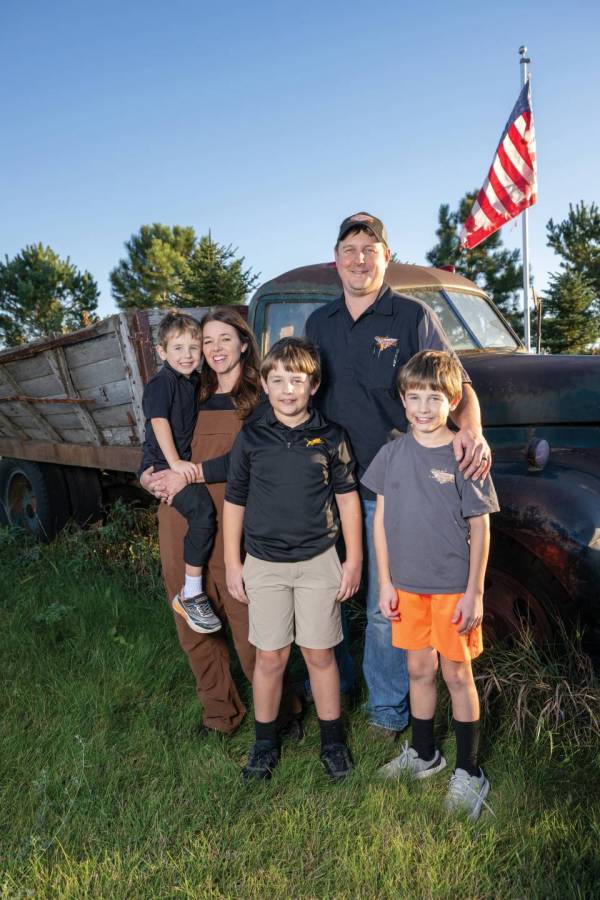 This week's woman farmer profile is from our annual magazine, North Dakota Agriculture.
Ann Olson wears many hats: farmer, nonprofit coordinator, entrepreneur, vendor for a local school’s food service and even large-animal veterinarian. But the common thread throughout her work is making fresh, local food accessible, affordable and convenient for as many people as possible.
Olson is the fourth generation to live and grow on Hilltop Farm, located west of Minot, ND. Her grandmother was born on the farm, and she had a large, productive vegetable garden, which Olson and her sister helped weed as kids. And although Olson loved the farm, her passion was for animals, leading her to become a veterinarian specializing in large-animal care.
She and her husband, Wyatt, moved to Hilltop Farm in 2011 to be closer to family and raise their kids in the country. They had no intention of farming or growing anything on a commercial basis. But as their family grew and Olson cut back on her veterinary practice, she considered how she could earn some extra income. So, she started a garden and began selling produce at the Minot Farmers Market in 2016.
Read the rest of Ann's story here!
Photo credit: Layn Mudder
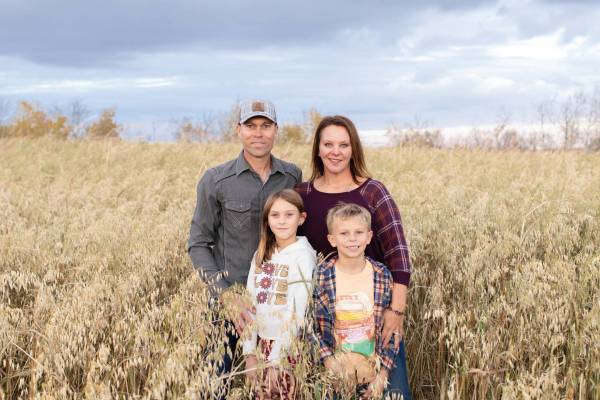 This week's woman farmer profile is from our annual magazine, North Dakota Agriculture.
Located in central North Dakota, Guardian Grains is a fourth-generation family farm owned and operated by DeAnna and Kelly Lozensky. Now farming 2,200 acres of small grains, the Lozenskys proudly take a regenerative, soil-first approach.
When the Lozenskys began milling the flour and eating what they grew, DeAnna says it inspired them to change the way they approached farming, creating the shift to regenerative practices.
“For us, regenerative means no tillage,” DeAnna explains. “Keeping the soil covered and minimizing our disturbance. Also, we’re fertilizer-free, and we don’t apply manures. Our grains are 100% fed by soil biology, sunlight and rain.”
Read the rest of the story here!
Photo credit: FARRMS
 Sabrina's Primary Agricultural Focus
Livestock
In Her Words: Sabrina's Story
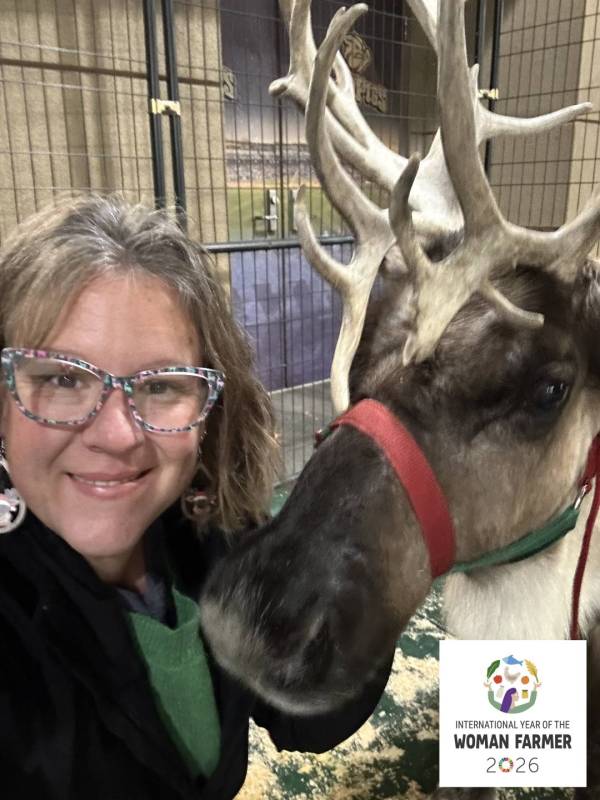
My husband and I moved to Garrison, North Dakota in 2017, where we began building what would eventually become our small agricultural and agritourism operation. Although my primary career path is in healthcare, I developed a passion for animal husbandry and hands-on livestock care through years of learning, research, and experience. What started with a small flock of chickens gradually expanded to include alpacas, peafowl, rabbits, mini ponies, and of course our beautiful reindeer.
Over the years, we have focused on creating a calm, educational, and relationship-based environment centered around quality animal care and meaningful public interaction. Our operation combines livestock management with agritourism experiences which allow guests to connect with animals in a safe and memorable setting. We are proud to provide seasonal events, educational opportunities, and on-location animal experiences that bring agriculture and animal care closer to surrounding communities.
One of our biggest accomplishments has been earning our USDA exhibitor license and continuing to grow a respected operation built on animal welfare, professionalism, and public education. Through persistence, self-education, and a willingness to take on new challenges, I have developed practical skills in animal care, enrichment, facility management, event coordination, and agricultural business operations.
What does working in agriculture, and specifically being a woman in agriculture, mean to you?
As a woman in agriculture, I am proud to represent a nontraditional path into livestock stewardship. I did not come from a ranching background, so every aspect of our operation was built through determination, self-education, mentorship, and hands-on experience. Building this business required learning animal husbandry, public engagement, regulatory compliance, and agricultural entrepreneurship from the ground up. Through that process, I discovered not only a passion for caring for animals, but also a deep respect for the agricultural community and the resilience it requires.
What advice would you give to the next generation of women in agriculture?
My advice to the next generation of women ranchers would be to not let a nontraditional background discourage you from pursuing agriculture. You do not have to grow up on a multigenerational farm to belong in this industry. Some of the most valuable skills in agriculture are the willingness to learn, adaptability and a genuine commitment to caring for animals, land, and community.
Be willing to ask questions, seek mentorship, and learn through experience. Agriculture offers incredible opportunities for growth, creativity, and purpose. Start with what you have, focus on building strong systems and good animal care practices, and allow your operation to grow over time.
I would also encourage women entering agriculture to recognize the value they bring to the industry. Women often bring strong skills in communication, organization, education, relationship-building, and animal care, all of which are essential to successful agritourism operations today. There is room in agriculture for education, and nontraditional operations.
Have you had formal or informal training to help you grow your operation? If so, what?
While my journey into agriculture occurred later in life, I hope my operation helps demonstrate that agriculture can be accessible to people from many different backgrounds and experiences. My goal is to continue creating a farm environment that reflects compassion, education, professionalism, and strong animal welfare standards while encouraging meaningful connections between the public and agriculture. I am proud to contribute to North Dakota agriculture in a way that combines livestock care, agritourism, and community engagement, and I hope to inspire others—especially women and young families—to pursue opportunities within agriculture, even if their path into the industry looks different from tradition.
What technologies have made the biggest difference on your operation?
Technology and digital communication have played a key role in both the education and growth of our ranch. Because reindeer ranching is such a niche industry, online reindeer owner groups and digital resources have been essential for learning husbandry practices, sharing knowledge, and staying connected with experienced owners and veterinarians across the country. This ongoing access to information has directly supported our commitment to high-quality animal care and continuous improvement.
Is there any additional information you would like to share?
We are also intentional about supporting and collaborating with women-owned, local community-based businesses that strengthen our operation.
Working with Studio North Designs, led by Sommer Jacob, has greatly improved our online presence and branding. Her dedicated work has helped us create a professional, recognizable identity that reflects our story and reaches a wide audience in a professional and meaningful way.
In addition, we value our strong working relationship with Dr Andrea Schlafmann and her veterinary team at North Country Veterinary Clinic. Her expertise and responsiveness are critical to maintaining herd health and ensuring the wellbeing of all of our animals. Dr. Schlafmann's support allows us to provide proactive, high-standard veterinary care across our diverse herd.
We are so proud of our website including our event calendar. You may see us at www.NorthernLightReindeer.com.
 Kendel's Primary Agricultural Focus
Livestock
In Her Words: Kendel's Story
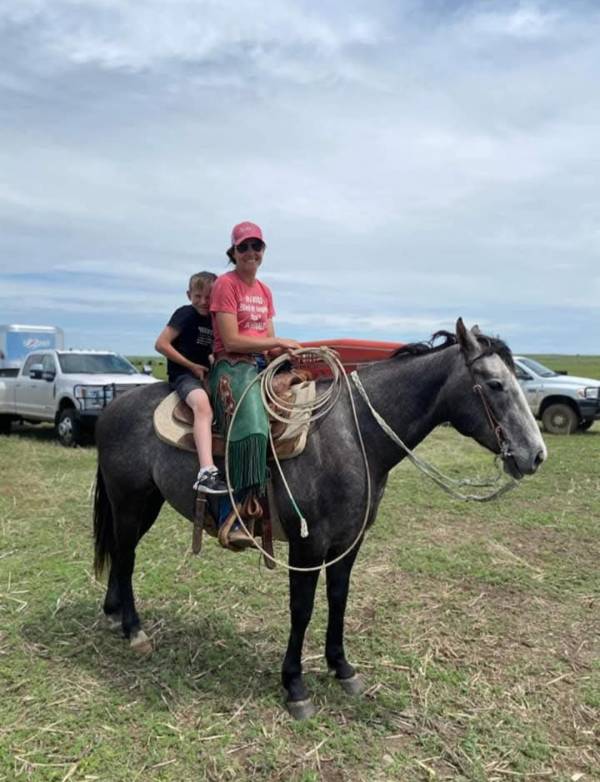
I am a third generation rancher on our family operation. My grandparents bought our ranch after my grandpa came home from World War II. My father later inherited the ranch from my grandpa and doubled it in size. When my dad decided to retire, my husband and I stepped in and took over the operation.
My husband works in the oil field, and I am an equine dentist. We never really planned on taking over the ranch, but when my dad started having heart issues, he approached us about stepping in and keeping the family operation going. I will be honest, that was a scary thing to think about. There is a lot of weight that comes with taking over a family ranch. You feel the responsibility of keeping it alive, while also trying to grow it for the next generation. We have two sons, and if they both want to be part of the ranch someday, our goal is to build something strong enough that they could both have that opportunity.
We took over the ranch right before the last big drought hit, and that was incredibly difficult. Cattle prices had dropped, there was no grass, breed-up on the cows was poor, and there were days we sat back and wondered what we had gotten ourselves into. But like any generational ranching family, we dug our heels in. We did our homework, educated ourselves, and started looking for ways to make our operation as successful as as possible with what we had.
That led us into rotational grazing, bale grazing, and different management practices that helped us bring down expenses while also increasing our ability to run more cattle on the land we had. It has been a wild ride, but we have learned so much along the way.
We also started backgrounding our calves, which is a whole new world of its own. If you have never backgrounded calves before, there is a lot to learn. Feeding, setting things up, watching for sickness, knowing when they are healthy, and figuring out what works best all takes time and experience. It is completely different from calving cows out. The funny part is, I have found that I enjoy that part the most. I could spend all day walking through calves, watching them, studying them, and trying to find better ways to feed them while still keeping it profitable.
Another part of ranching that I have become very passionate about is grazing cows. When you spend a year grazing cows up close and personal with your grass, you learn a lot. I learned which grasses held on the longest, which pastures did better at certain times of the year, and when it was better to get on or off a pasture sooner. It opened my eyes to a whole new side of ranching that I had to wrap my mind around.
I like to think of grazing as an art. You are always learning, always growing, and always trying to get better. But it is also always changing. I do not think you ever truly master it, and maybe that is part of what makes it so rewarding.
What does working in agriculture, and specifically being a woman in agriculture, mean to you?
What does being a woman in agriculture mean to me? That is a great question, and honestly, I have never really thought of myself as different from a man when it comes to agriculture. Not because I think I am just like a man, but because I have always been surrounded by strong women who worked hard in agriculture.
My dad only had daughters, so we worked just like boys would have, except it was a whole herd of girls doing the work. Before us, it was my aunts, who were known for their work ethic, and before them was my grandmother. The women in our family have always been hard workers. That is just how we were raised.
One thing I do feel makes me shine as a woman in agriculture is my ability to notice when something is off with the cows or calves. I think women are very good at that kind of thing. Maybe it comes from being mothers, or maybe it is something God has ingrained in us. We are meant to mother, nurture, protect, and take care of things. I think that instinct is a real strength in agriculture.
I also think being a woman in agriculture means learning how to think outside the box. There are jobs that are physically harder for me than they are for my husband. He may be able to get something done quickly with strength, while I have to stop, think, and figure out a different way to get it done. But that does not make me less capable. It has taught me to be resourceful, patient, and determined.
To me, being a woman in agriculture means carrying on the work ethic of the women before me, taking care of the livestock and land God has trusted us with, and proving that there is more than one kind of strength on a ranch.
What advice would you give to the next generation of women in agriculture?
My advice for young women in agriculture would be to not use your gender as an excuse. Most people today do not care who is doing the job. They care that the job gets done, and that it gets done well.
So go out there and do it. Put yourself out there, work hard, and be the best you can be. Do not be afraid to ask for help or learn from people who have more experience. Asking for help does not make you weak. It makes you willing to learn.
Respect is earned, not given. So show up, do the work, keep learning, and earn it. There is a place for women in agriculture, but you have to be willing to step into it with confidence, grit, and a strong work ethic.
Have you had formal or informal training to help you grow your operation? If so, what?
I will attend just about any class offered through the Extension Office. It does not even have to fit my program perfectly, because I have learned that you can usually take at least one useful thing away from every class.
I attended one class put on through NDSU, and I walked away with a protocol for naturally syncing cows up. That ended up being a game changer for us because it helped us get a more uniform, matched set of calves. I also went to a Steve Kenyon grazing class, and that really opened the door to our rotational grazing program. After that class, I started attending as many grazing-related classes as I could.
I also love to read, so I am constantly digging up articles that may fit our program or give me more insight into how we can do things better. I want to keep learning and finding ways to improve.
Another big part of my education has simply come from asking questions. I ask people a million questions, because you would be surprised at the knowledge people carry around in their heads. Most people are more than willing to share what they know if you are willing to ask and listen.
So yes, I have had both formal and informal training, and I think both are important. Classes, articles, real-life experience, and conversations with other producers have all helped us grow and improve our operation.
What technologies have made the biggest difference on your operation?
The technologies that have made the biggest difference on our operation are not necessarily the fanciest ones. For us, it has been the tools that help us manage cattle better, make smarter decisions, and save time.
Ultrasounding cows has been one of the biggest game changers for us. It gives us a better idea of when cows are bred, how tight our calving window is, and how well our breeding program is working. That information helps us make better decisions on which cows to keep, which ones need to leave, and how to manage groups going forward.
Another big one has been electric fence and temporary fencing. That has helped us with rotational grazing and bale grazing. Being able to move cows through pastures or control where they eat has helped us manage our grass better, stretch our feed, and improve how we use the land we have.
Social media and online information have also made a difference. There is so much knowledge available now if you are willing to look for it. We can learn from other producers, research different ideas, market our livestock or horses, and connect with people we never would have reached years ago.
Even simple things like good handling facilities, water systems, cameras, and better record keeping have made a big impact. They may not seem like major technology, but anything that helps us take better care of our livestock, catch problems sooner, or make the job more efficient makes a difference.
To me, technology in agriculture does not have to replace common sense or hard work. The best technology is the kind that helps you do your job better while still keeping you connected to your cattle, your land, and the everyday work of the ranch.
 Ashley's Primary Agricultural Focus
Livestock
In Her Words: Ashley's Story
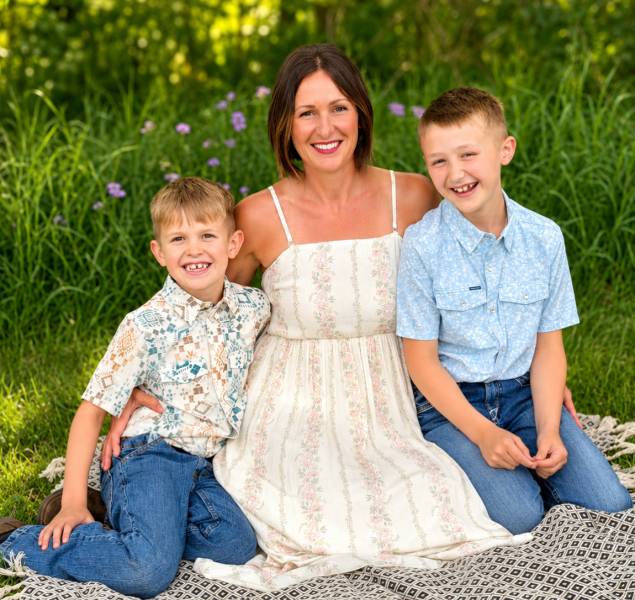
The opportunity to ranch stems from a family-operated ranch in western North Dakota passed down to me by my Grandfather. I along with my two sons Soren and Wylie are dedicated to raising quality livestock and promoting agriculture in our community. Our operation includes Black Angus cattle, horses, poultry, and other farm animals, with a strong focus on responsible animal care, stewardship of the land, and preserving the agricultural way of life.
In addition to ranching, we provide farm-fresh eggs to local families and communities, as well as a variety of home grown vegetables in the summer season, helping connect consumers with locally produced food. I take pride in teaching my children the value of hard work, responsibility, and respect for agriculture while involving them in daily ranch activities.
Our success is measured not only by the animals we raise but by the relationships we build, the traditions we preserve, and the opportunity to share the ranching lifestyle with others. We are proud to contribute to North Dakota agriculture and remain committed to producing quality products, caring for our animals, and serving our community.
What does working in agriculture, and specifically being a woman in agriculture, mean to you?
Agriculture is more than an occupation to me — it is a way of life rooted in hard work, faith, family, and stewardship. It means caring for the land, livestock, and resources entrusted to us while helping provide food and products that support our communities. Agriculture has taught me resilience, patience, and the importance of showing up every day, regardless of the challenges.
Being a woman in agriculture means embracing many roles at once. I am a rancher, caretaker, problem-solver, businesswoman, and mother. Women in agriculture are often the quiet strength behind an operation, balancing family responsibilities while contributing in meaningful ways to the success of the farm or ranch. We bring determination, compassion, and a unique perspective that helps strengthen our agricultural communities.
I take great pride in raising my children in this lifestyle and teaching them the values of hard work, responsibility, and respect for animals and the land. Agriculture has given me a deep appreciation for where our food comes from and the people who dedicate their lives to producing it. As a woman in agriculture, I am proud to help preserve this way of life for future generations while serving as an example that women can lead, innovate, and thrive in this industry.
What advice would you give to the next generation of women in agriculture?
To the next generation of women in agriculture: don’t be afraid to get your hands dirty and chase your dreams. Some of the most valuable lessons I’ve learned came from early mornings, late nights, unexpected challenges, and the responsibility of caring for animals and the land. Agriculture has taught me resilience, humility, and the importance of hard work.
Never let anyone tell you that you can’t do something because you’re a woman. Women have always been an essential part of agriculture, and our industry is stronger because of it. Trust yourself, keep learning, and don’t be afraid to carve your own path.
Above all, remember that agriculture is about more than producing food — it’s about family, community, stewardship, and preserving a way of life. Take pride in being part of something bigger than yourself, and help inspire the generation that comes after you.
Have you had formal or informal training to help you grow your operation? If so, what?
When it comes to training and mentorship, I was fortunate to have one of the very best teachers — my grandfather. Until his passing, I was his shadow, following him wherever he went and learning by watching, listening, and working alongside him. He taught me nearly everything I know about ranching, from caring for livestock and reading the land to the value of hard work, integrity, and perseverance.
The lessons he passed down were about much more than ranching; they were about character, responsibility, and respecting the agricultural way of life. His knowledge, patience, and example shaped the rancher I am today. I carry those lessons with me every day and strive to pass them on to my children and the next generation, just as he passed them on to me.
What technologies have made the biggest difference on your operation?
One of the most beneficial technologies in my operation is the use of bull EPDs (Expected Progeny Differences). EPDs provide valuable data that helps me make informed breeding decisions, particularly when selecting bulls with strong calving ease traits. This has helped reduce calving difficulties, improve herd health, and create a safer environment for both the cattle and myself.
By utilizing genetic information and performance data, I can make decisions that support the long-term success of my herd while promoting animal welfare. Technology such as EPDs allows producers to continually improve their operations through better genetics, healthier livestock, and more efficient management practices.
 Karissa's Primary Agricultural Focus
Crops and Agronomy
In Her Words: Karissa's Story
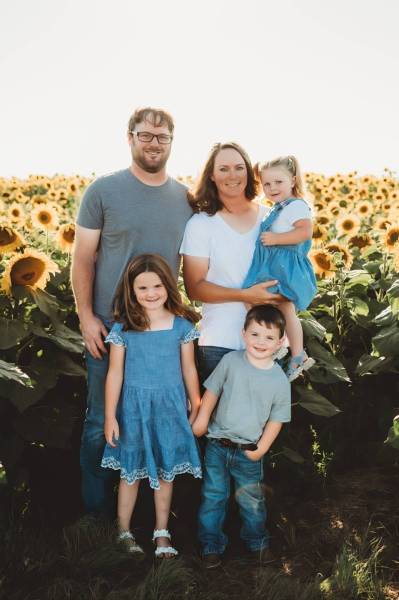
I am a 4th generation farmer on our family farm located just outside of Bottineau, ND. I grew up on the farm operating machinery and learning the ropes from a very early age. I have always loved farming and operating machinery. I officially started farming my own acres in 2015. My husband, Joe, joined me in 2017 when we got married and we started Berg Farms. Joe works at Nutrien Ag Solutions full time and usually plants most of our acres while my main job in the spring is spraying. We now have three children, ages 7, 4, and 3. My dad has been farming for 40+ years. My plan is to take over the operation when he retires.
My college career started at Dakota College at Bottineau where I did my generals and then I transferred to NDSU and graduated with a major in Crop & Weed Science and a minor in Soil Science in 2015. I worked off the farm for a few years following college as a crop consultant.
I took a leap of faith in 2020 and left my steady job at the co-op and went to work on the farm full time. I also started my own consulting business, 701 Agronomy, that same spring and still do that currently on the side. What started as a little side gig, has turned into more than I ever could have imagined. I work with some amazing clients and it keeps me very busy. 701 Agronomy offers crop consulting, soil testing, tissue testing, and precision ag services in Bottineau and surrounding counties.
On our farm we typically grow wheat, canola, and soybeans. We usually grow Dynagro wheat. We have grown several varieties over the years including Ballistic, Ambush, 8582, Commander, and Rocker. Soybeans are typically Dynagro and Asgrow. For canola the majority is usually Invigor.
In 2024 I entered my first National Wheat Yield Contest and placed 3rd in the state of North Dakota with Dynagro's 8582 variety. In 2025 I entered again and placed 2nd in the state of North Dakota with Dynagro's Ballistic variety and also placed 2nd in the Nation. I also received a high-quality award for highest protein. It was an honor to be able to receive these awards.
As if being a mom, farming, and running an agronomy business isn't enough, I also have a flock of chickens that are my pride and joy. I got into chickens in 2022. I started with just 8. Anyone that has chickens knows about "chicken math." The number of chickens continues to grow each year. I now have around 60 chickens and also added a few turkeys this year.
What does working in agriculture, and specifically being a woman in agriculture, mean to you?
Agriculture is in my blood. As I stated earlier, I was fortunate to win 2nd place in the National Wheat Yield contest this past year. Out of the 28 National winners, I was the only female. It's moments like that when it really makes being a woman in ag feel special. I have met some amazing women in the agricultural industry over the years. To be a part of that group means a lot to me. I am very proud to represent women in agriculture.
What advice would you give to the next generation of women in agriculture?
Chase your dreams and never give up. If you are ever in doubt, reach out to your role models. Many times, they have been down the same road and can usually offer advice. It's not always an easy road, but it's absolutely worth it.
Have you had formal or informal training to help you grow your operation? If so, what?
Having worked in the ag industry for 10+ years now I have attended many different agronomy related meetings all over the state. The last few years I have had the opportunity to attend the Commodity Classic Trade Show. I was able to listen to numerous speakers there from all over the United States. It's always interesting to see how farming differs between geographical regions.
What technologies have made the biggest difference on your operation?
Technology is always changing and advancing. We use John Deere Operations and Climate Fieldview in our equipment to keep track of inputs for each field.
On the agronomy side I use GK Technology to make zone maps for soil testing and writing variable rate prescriptions for fertilizer.
One new thing this year that we are utilizing is the Leaftech Ag scanner. This scanner scans the plants leaves and gives back results in minutes showing what the plant needs, how much it needs, and when it needs it.
 Jeanette's Primary Agricultural Focus
Livestock
In Her Words: Jeanette's Story
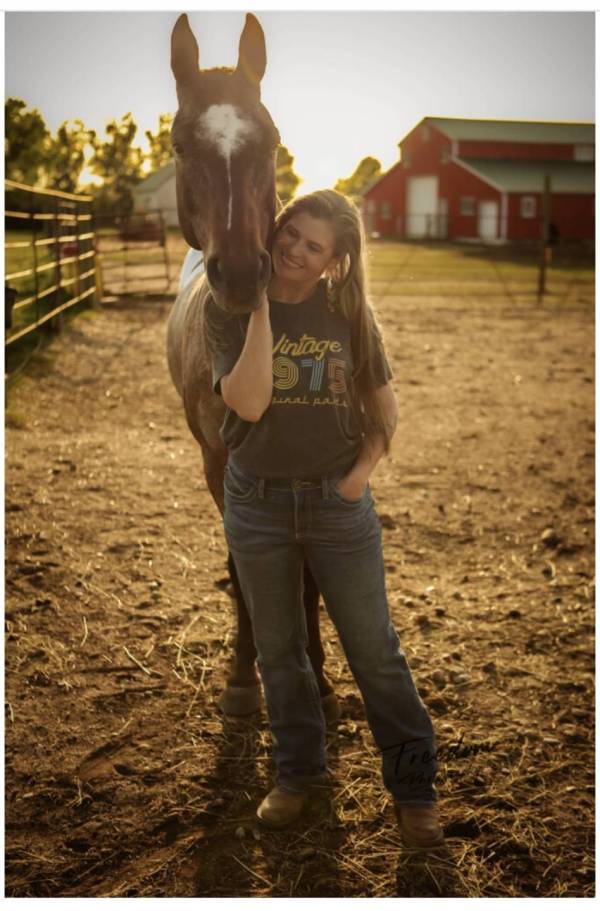
I grew up on a farm in a small town in rural Tennessee east of Nashville where my family raised, and continue to raise, cattle. From an early age I knew horses would forever be a part of the fabric of my soul. I drove horse drawn carriages in downtown Memphis, TN from the time I was 17. From there I also worked at equine breeding and showing facilities. At 23 I moved to the Central Valley of California and attended college. Even then, horses were always a large part of my life. I moved to Bismarck, ND in 2005. I fell in love with the Great Plains. I married the love of my life in 2020 and in 2022 we bought our dream ranch only a mile from my husband’s childhood ranch. From there we began to build our legacy. In 2023 we began hosting travelers from all over the world through Harvest Hosts. We tremendously enjoy sharing our ranch life and boasting the history of North Dakota to our campers. I get to be an ambassador of sorts to people coming to North Dakota by teaching them about the area and showing them the hospitality our state is known for. In 2024 we converted 100 of our 160 acres back into native prairie through a program with the Audubon Society. This program has made an huge impact on wildlife as we have constant visitors from moose to deer to a tremendous variety of birds. Also, in 2024 we began hand picking top lines of miniature horses to establish a breeding program of show quality and therapeutic miniature horses. I competed at the ND state fair in 2025 with our stallion and won multiple grand championships with him and was featured on the news. In 2026 we welcomed our first home grown foal to our ranch. Fall of 2026 we anticipate to have our converted grainery into a bunkhouse for people to Verbo for a place to stay for recreation and hunting. We are also wanting to enlarge the pond to accommodate more wildlife in our area.
What does working in agriculture, and specifically being a woman in agriculture, mean to you?
Running this ranch is no small feat. We have sixty head of chickens as well as a few ducks, guineas and even a pair of peacocks. We also have seven miniature horses and three standard sized horses. It requires a lot of feed to keep everyone going. Each morning starts with feeding and checking the status of every animal here. Afternoons are busy mowing the yard, which takes over four hours. Then there are gardens to tend. Late afternoon I will often give driving lessons to people wanting to learn this dying art. Evenings are feeding time and making sure all the animals are secured for the night away from predators. It’s not easy work and as the saying goes, if you have livestock you’ll also have dead stock. The heartbreak of losing chickens to coyotes or raccoons is acute. We work hard to make sure all animals under our care are happy and healthy. At the end of the day you are left exhausted but feeling fulfilled that you got all of them through another day. It’s long hours and thankless days that take a toll on your mental health at times, especially when the public perception of how city people feel you should do things when they have no idea how it is to live and work out here is very frustrating to say the least. I wish everyone could experience the highs and lows of running a ranch, but most will never have the opportunity. That is why FFA and 4H are so crucial to get kids involved. Children are the future of agriculture and if we do not get them exposed to it they may never find a passion for it. In a nutshell, being a woman in agriculture means working a little harder to make life out here work for us. It’s very rewarding to look back at how far we have come while chasing those dreams.
What advice would you give to the next generation of women in agriculture?
The next generation has some very tough obstacles to overcome in the future. Rising costs of everything make life very difficult, especially those of us carving out a living an hour away from a city. My advice would be get as much work experience as you can. You may have to volunteer your time but do it with gusto. Start early, as in high school, and go after what you want with all the passion you have. I was once a girl with a dream of owning a horse ranch. It’s not going to happen overnight and you’ll have many pitfalls along the way but stay true to your heart and you WILL get there!
Have you had formal or informal training to help you grow your operation? If so, what?
I have had some incredible women backing me along this journey! Rashel in Washburn has been a driving force as well as Brenda in Riverdale. Both of these ladies are successful businesswomen and have given me insight on how to expand and further my reach.
What technologies have made the biggest difference on your operation?
While I’m not the most technologically savvy individual out there, a great deal of my advertising comes from an online presence. I run several Facebook pages, Lightning Arrow Ranch, Lightning Arrow Miniature Horses, to name a couple. I also have a website that people can book online for our horse hotel service for travelers with horses that need a place to overnight. People will also be able to book nightly stays at our bunkhouse once it is complete.